



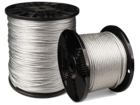
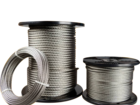
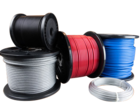
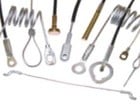











Wire rope for manure scrapers: choosing, replacing and securing your cable
Is your manure scraper cable worn or broken? The right replacement cable can get your system working reliably again. But which diameter do you need, and how do you replace it?
At Staalkabelstunter, you will find manure scraper cables in 4/6, 6/8, 8/10 and 10/12 mm. Browse our range of wire ropes for manure scrapers and read on for practical advice.
The benefits of plastic-coated wire rope compared with chain and fibre rope
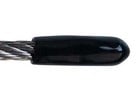
Plastic-coated manure scraper cable combines a strong steel wire rope with a smooth, protective plastic covering. While intact, the coating helps keep moisture and dirt away from the steel and reduces direct contact between the steel wires and surrounding components.
- Compared with chain: a smooth surface without links. The cable has no link openings where manure and straw can collect. The plastic covering also reduces direct metal-to-metal contact at contact points.
- Compared with uncoated fibre rope: a separate protective layer around the load-bearing rope. The coating takes the direct contact with dirt and surrounding components. The steel wires underneath remain protected as long as the coating has not worn through.
- Compared with moisture-sensitive fibre rope: steel does not absorb moisture like certain fibres. This advantage does not apply to every rope type. High-quality HMPE scraper rope absorbs very little moisture and can also offer high strength and low stretch.
When should you choose it? Plastic-coated wire rope is a logical replacement when your scraper is designed for this cable type. The coating does not guarantee protection against rust or wear. Check it regularly for damage and use a coating suitable for manure scraper systems.
Chain, fibre rope and wire rope are not automatically interchangeable. Use the type specified by the manufacturer. Wire rope is not necessarily stronger or longer-lasting than every fibre rope: this depends on the material, construction and operating conditions.
Which manure scrapers can use wire rope?
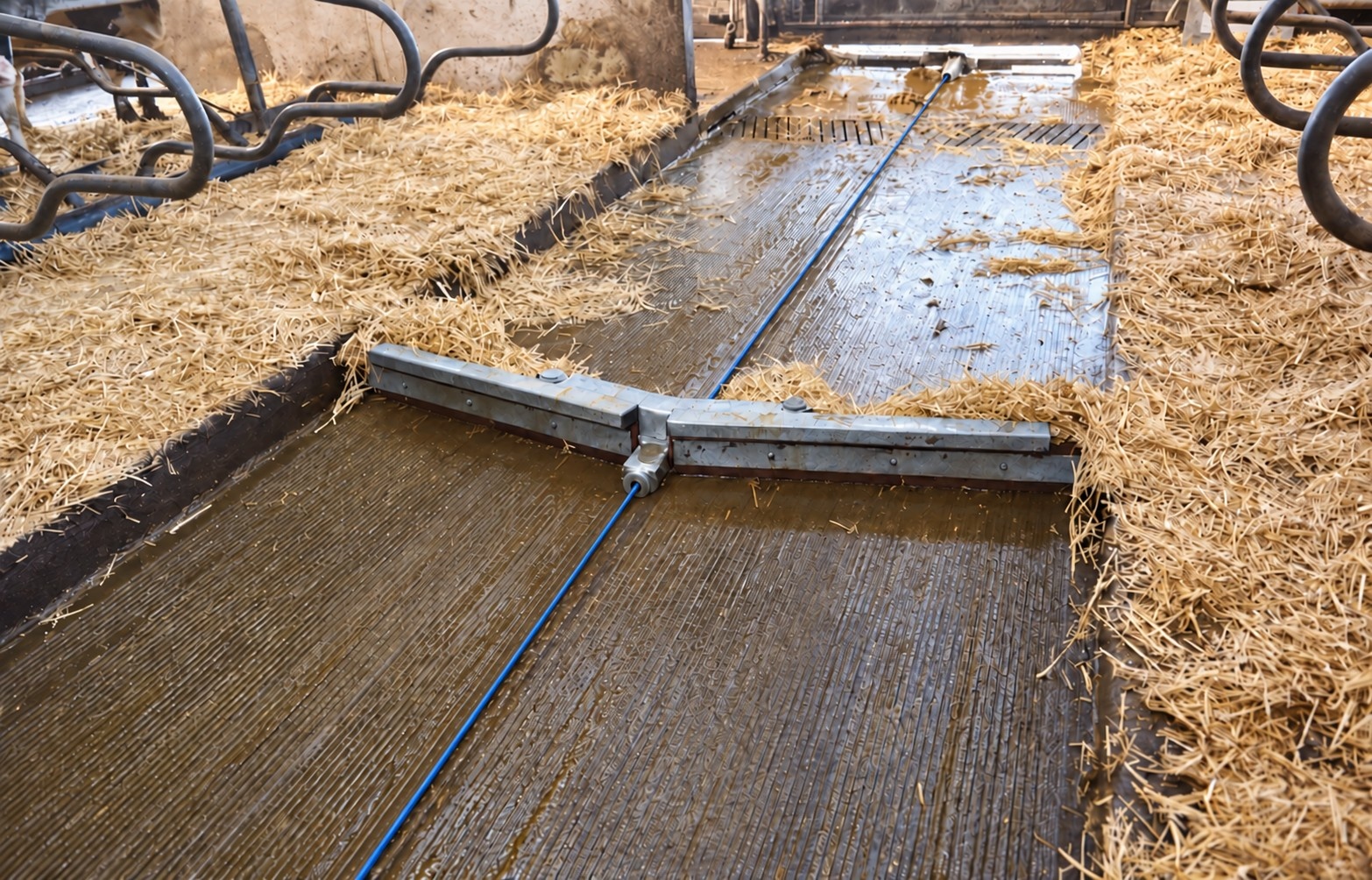
Wire rope is used in manure scrapers with a suitable cable drive. Depending on their configuration, the following scraper types can operate with wire rope:
- Slatted-floor scrapers: move manure across the floor towards the openings between the slats. When replacing the cable, pay particular attention to its routing and attachment to the scraper carriage.
- Combi scrapers: are used on different types of barn floor, depending on the model. The cable must not become trapped between moving flaps or hinges.
- Folding scrapers: fold inward on the return stroke and are used in settings including barns with straw or sand bedding. Check that the scraper can open and close freely.
The scraper type alone does not determine which cable fits. Check the drive as well: a system designed for fibre rope or chain is not automatically suitable for wire rope.
Manure scraper cable for JOZ, De Boer and Brouwers
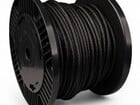
Our 6/8 mm manure scraper cable on a 500-metre reel is offered for applications including JOZ, De Boer and Brouwers systems. The correct cable always depends on the model and its specified cable requirements.
Do not choose by brand alone. Check the manual, original part number and drive specifications before ordering.
Which cable diameter do you need?
For plastic-coated manure scraper cable, the first number indicates the diameter of the steel wire rope without its coating. The second is the outside diameter including the coating.
| Cable size | Without coating | Including coating |
|---|---|---|
| 4/6 mm | 4 mm | 6 mm |
| 6/8 mm | 6 mm | 8 mm |
| 8/10 mm | 8 mm | 10 mm |
| 10/12 mm | 10 mm | 12 mm |
Alongside the correct diameter, choose the specified rope construction, coating, breaking load and length. A thicker cable is not automatically better: it must fit the drive, pulleys and attachment points.
Tip: do not rely solely on measuring a worn cable. Wear to the coating can make its measured diameter smaller than the original size.
View the products:
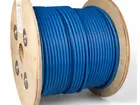
- Blue manure scraper cable 4/6 mm – 100-metre reel
- Blue manure scraper cable 6/8 mm – 500-metre reel
- Browse our manure scraper cable range or ask us about 8/10 and 10/12 mm.
When should you replace a manure scraper cable?
Inspect the cable regularly for broken wires, kinks, flattening, damaged coating and corrosion. Also watch for jerky movement, slipping or repeated loss of tension.
Stop the system if you find broken wires or serious damage and have the cable assessed. Check the cause too: a seized pulley or sharp edge can quickly damage a new cable.
Replacing your manure scraper wire rope in 6 steps
Always follow the maintenance procedure for your system. These steps help you prepare and carry out the work.
- Shut down safely. Isolate and lock out the main power supply to prevent unexpected starting. Keep animals and people outside the work area. Switching off the timer alone is not enough.
- Photograph the cable route. Record its path around pulleys, through the drive and at attachment points before disconnecting anything.
- Release the tension. Secure the scraper against movement and release the cable tension and any tensioner according to the manual. Never cut a cable that is under tension.
- Inspect the system. Clean the guides and check pulleys, bearings and attachments. Replace damaged components.
- Install the new cable. Unreel it without kinking or twisting. Follow the original cable route and use the specified end fitting.
- Adjust and test. Follow the specified adjustment procedure rather than pulling the cable as tight as possible by feel. Refit guards and carry out a test run in both directions with the work area clear.
During the test run, check that the cable tracks correctly and that flaps or folding sections move freely. Isolate the system again before making further adjustments. Have a technician replace the cable if you cannot release its tension safely or do not have the installation instructions.
How do you cut manure scraper cable?
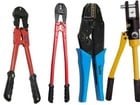
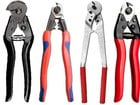
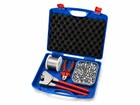
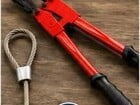
Use a wire rope cutter rated for the cable diameter and strength. Thicker cables may require a hydraulic cutter.
Measure the required length, including the allowance for the end connection. Wrap tape tightly around the cutting point and cut through its centre to help limit fraying. Wear gloves and eye protection, and check the end for protruding wires. Ordinary side cutters are unsuitable for thick scraper cables.
Making an eye or end connection
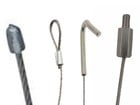
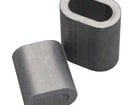
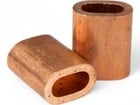
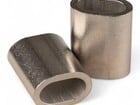
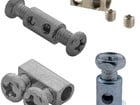
Use the attachment specified for your manure scraper. This may be a dedicated socket, clamping sleeve or approved eye termination.
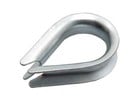
For an eye with a thimble, the cable passes around the thimble and the returned end is secured using the specified connection. The thimble supports the bend in the cable.
- Use compatible components and follow the installation instructions for both the cable and the connection.
- Remove the plastic coating only as required by the connection instructions. Crimping or clamping over the coating is not automatically suitable for a manure scraper.
- Make a pressed connection using the correct ferrule, dies and pressing equipment. Have this done professionally if you do not have the required equipment.
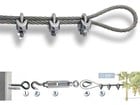
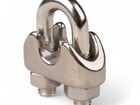
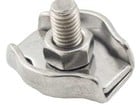
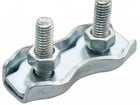
Use bolted wire rope clips only if they are approved for the application. Their number, positioning and tightening torque depend on the specified connection system.
Ready to order or need advice?
At Staalkabelstunter, you will find manure scraper cables in 4/6, 6/8, 8/10 and 10/12 mm for compatible cable-driven scraper systems.
View all wire ropes for manure scrapers
Unsure which cable to choose? Have the brand, model, cable specifications and a photo of the attachment ready. These details help us advise you on a suitable cable.






Reacties
Be the first to comment...